 Juchip Semiconductor
Smart Microphone · JSM2691
Wake-up Lives in the Microphone - One Sentence Starts Your Glasses
Always-On VAD · Offline KWS · I2C
Voice capture, VAD and keyword spotting complete offline inside a single 3.5 × 2.65 mm device: always-on listening at an estimated ~0.195 mA, results read via interrupt + I2C - no audio ever leaves the device. The tiny package and always-on low power fit volume- and battery-sensitive forms like smart glasses; the host sleeps while custom wake words stay on duty.
- VAD standby
- 0.195 mA
- KWS active
- 0.295 mA
- KWS latency
- 8 ms
- Keywords
- 30 offline
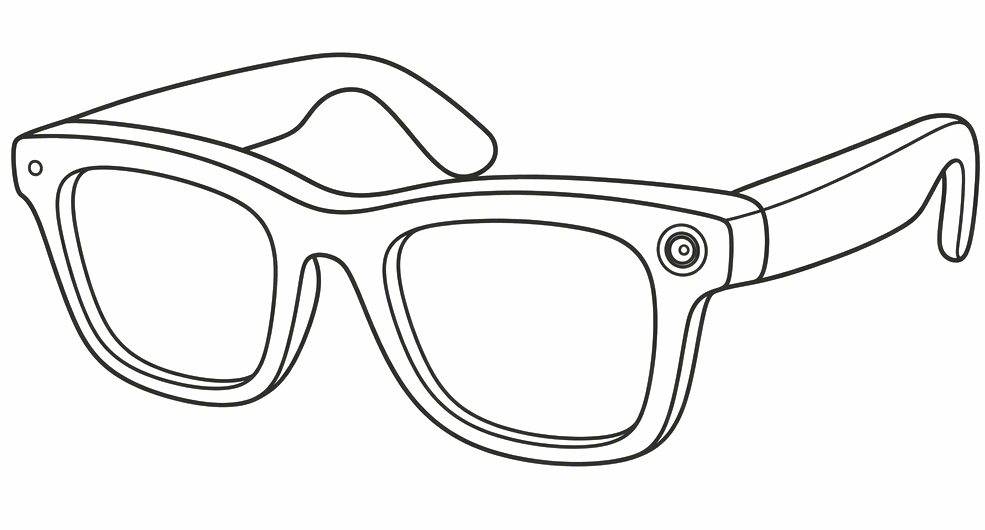
System Architecture
Two-tier engine chain: from sound port to spoken commandListen → Hit → Recognize → Report
The LP-NPU detects voice and events (VAD/AED) at microamp level while the host sleeps.
0.195 mAA voice hit wakes the NPU into keyword matching; power on demand.
10 ms30 offline keywords plus acoustic scene classification run fully on-device.
8 msInterrupts fire; the SoC reads result registers over I2C (0x5A, up to 400 kHz).
I2CBill of Solution
What You Get: Hardware, Algorithms & SupportWhat You Get
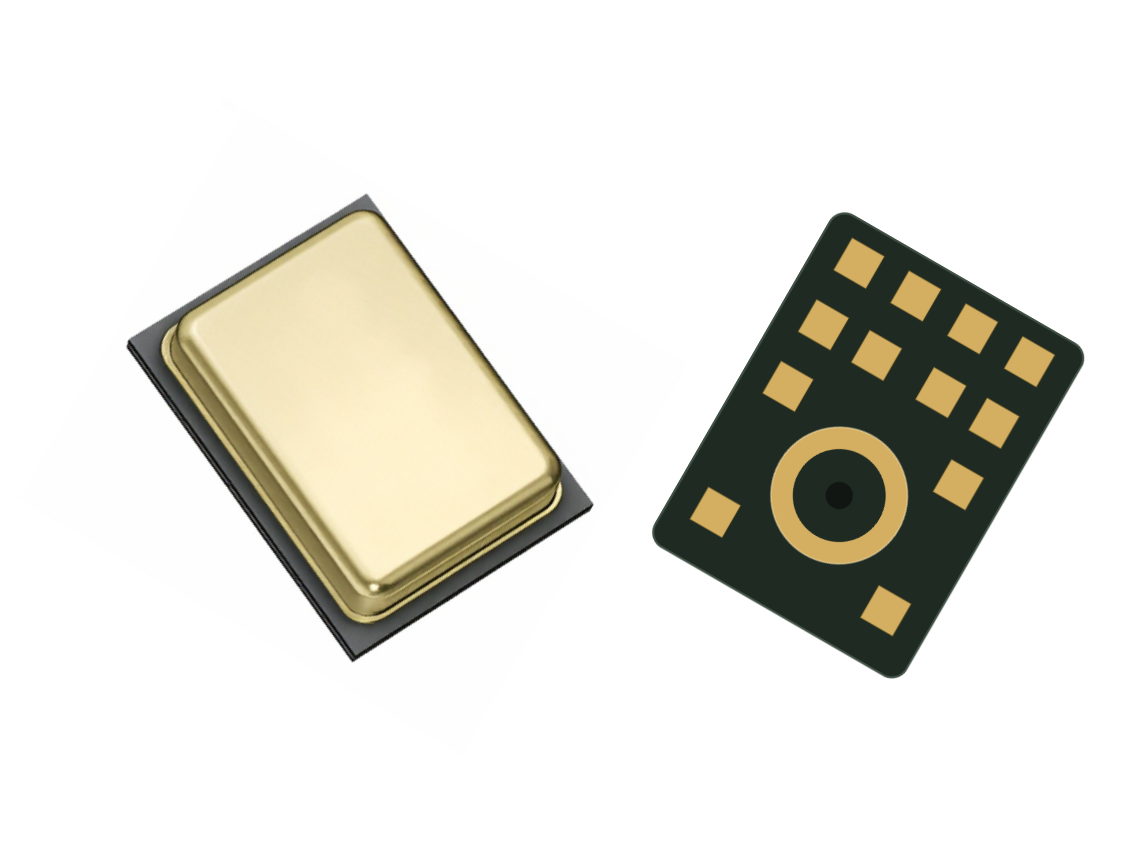
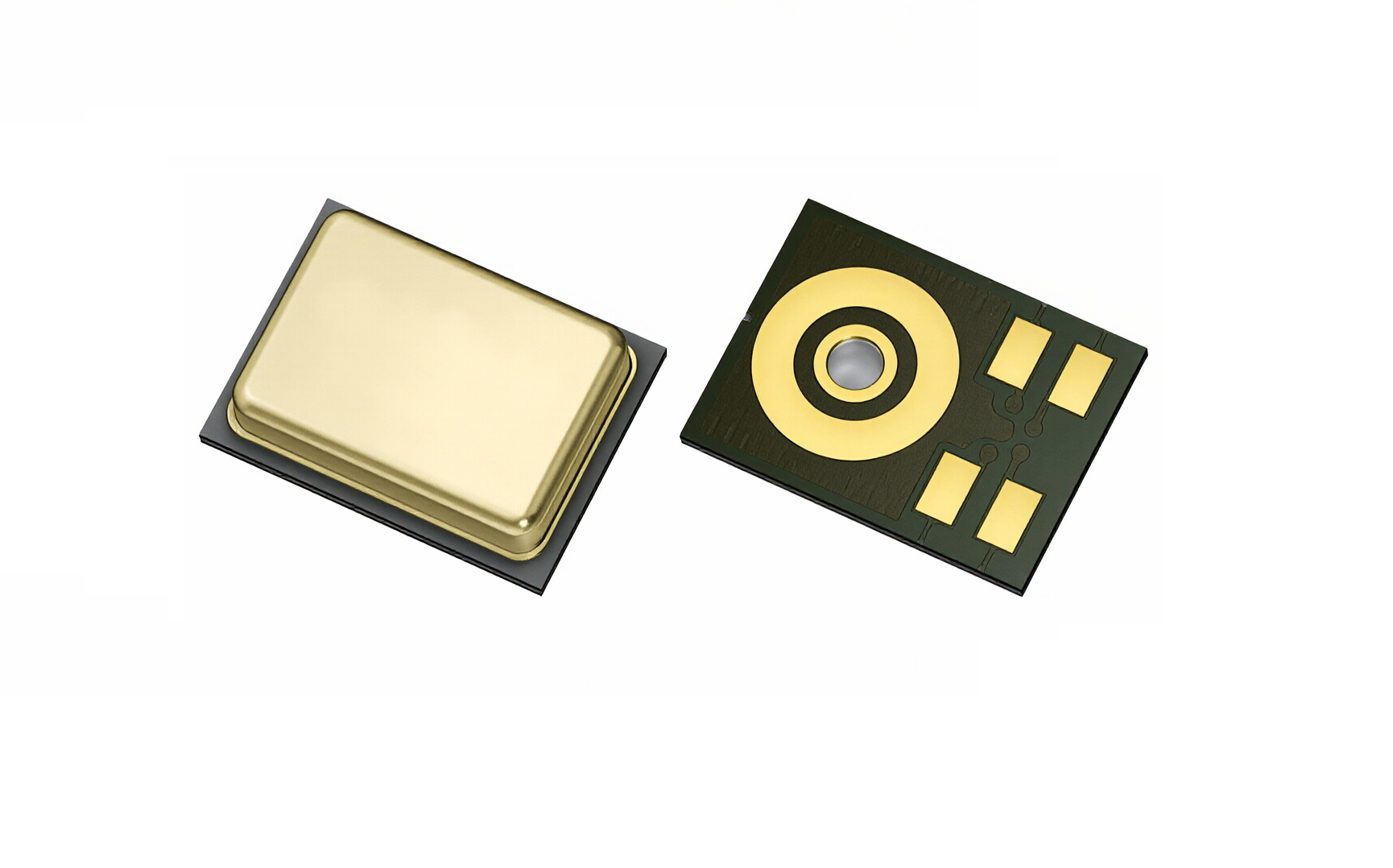
Deliverables
Six engineering deliverables, more than chips soldEngineered Handover
Production-grade reference: 3.3 V logic rails, independent 2.0 V mic supply, on-chip LDO decoupling, I2C pull-ups and 0-ohm ground bridge.
Rails stable -> 10-30 ms -> RSTN release -> ≤60 ms self-calibration -> I2C ready, with a driver skeleton including waits and retries.
Port size and placement, cavity and resonance notes, short guarded MIC routing away from DC-DC and crystals, grounded thermal pad.
KWS/VAD configured over I2C; wake words customized per product and accepted via the documented test method.
VAD / KWS / VAD+KWS modes with per-block current breakdown, feeding your system power budget.
24-h continuous-recognition stress, register read-back checks, reflow ≤3 times and MSL1 handling checklist.
Why Smart Mic
Wake at the microphone, or keep the host listeningTrade-offs, Honestly
| Dimension | KWS on the Host SoC | Third-party wake chip + mic | JSM2691 Smart Mic (This) |
|---|---|---|---|
| Standby power | Host runs inference continuously, mA-scale | Depends on the pairing | ~0.195 mA device-level VAD standby (estimated) |
| Host resources | Consumes CPU / memory | Extra interface and driver load | Host idle; reads registers on interrupt |
| Integration | External mic and sound-path tuning | Two packages combined | MEMS + signal chain + engine in one package |
| Privacy | Often needs cloud | Local | 100% offline; no audio uploaded |
| Algorithm | In-house or licensed | Third-party dependent | Self-controlled; wake words customizable |
| Best fit | Mains-powered devices | Generic voice devices | Battery devices: glasses / TWS / watches |
Currents are estimates summed from per-block typical specs (not battery-side measurements); system power and recognition results depend on the installed device and target acoustic environment.
Target Products
Proven in these product formsWhere It Ships
Implementation
Four steps from chain review to productionFrom Kick-off to Mass Production
Form, sound path and power budget; mode and companion-mic recommendation.
Reference circuit, power-up sequence and port structure reviewed; layout guard and isolation checked.
Custom wake words validated multi-speaker and long-duration under documented conditions.
EOL fixture with register read-back, 24-h stability sampling, 5,500-pcs T&R delivery.
Let Glasses, Earbuds and Watches Wake to a Single Sentence
Share the product form and target wake words; the acoustics team returns a power budget and chain assessment within 10 business days.
Book a Review